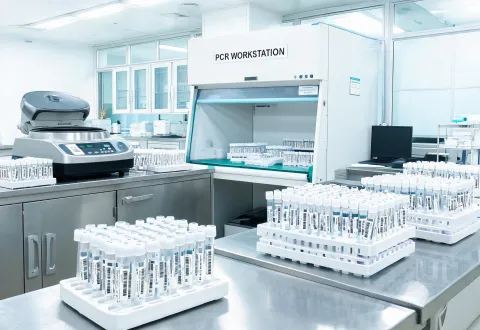
Reference Laboratories
Large batches need predictable centrifuge capacity, traceable pipette calibration, and simple handoffs between accessioning, aliquoting, PCR, and storage.
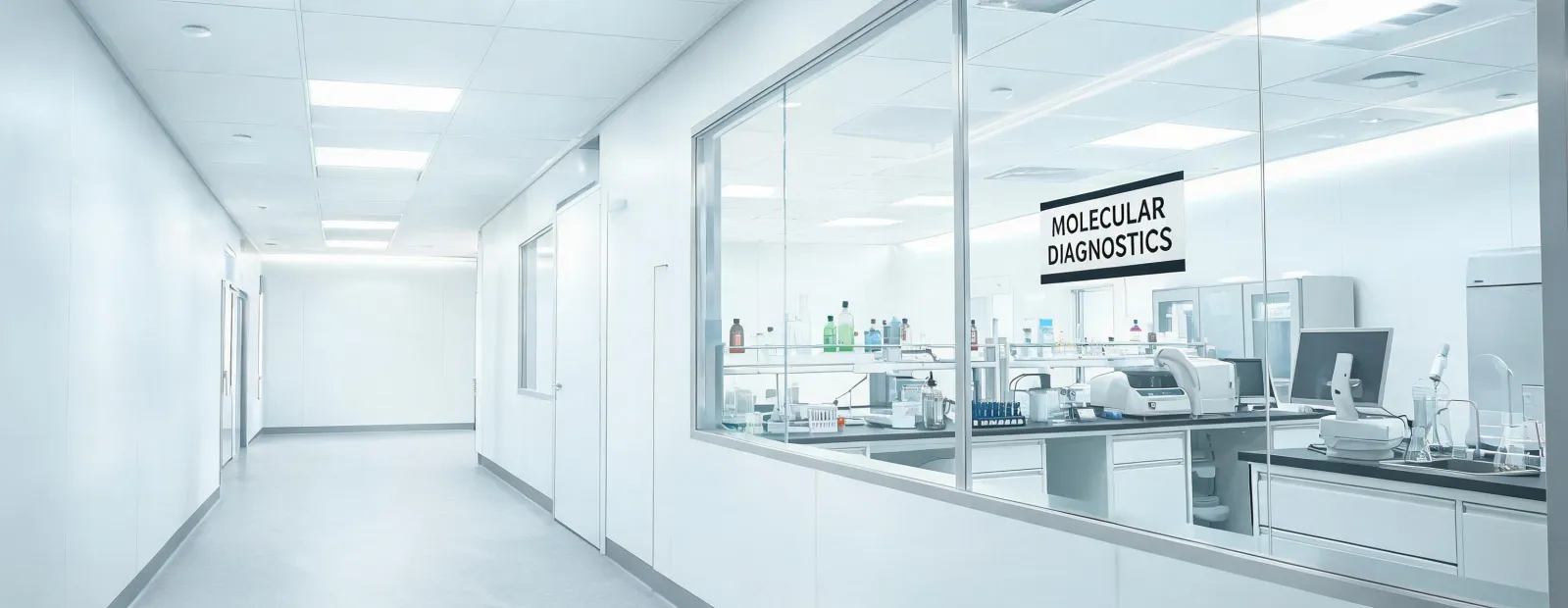
Eppendorf laboratory equipment is selected around the realities of each care environment: sample arrival pattern, available bench space, staff rotation, quality documentation, and how quickly results must move back into the clinical workflow.
Large batches need predictable centrifuge capacity, traceable pipette calibration, and simple handoffs between accessioning, aliquoting, PCR, and storage.
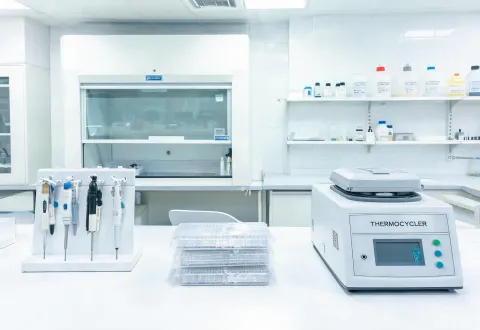
Respiratory, oncology, and infectious disease panels depend on compact equipment that supports rapid turnaround and clean contamination boundaries.
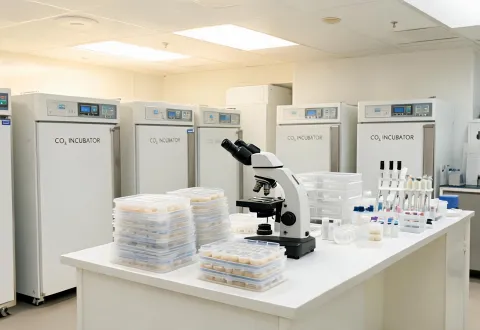
Culture work requires stable incubation, careful humidity practice, reliable consumables, and training that keeps door-open time under control.
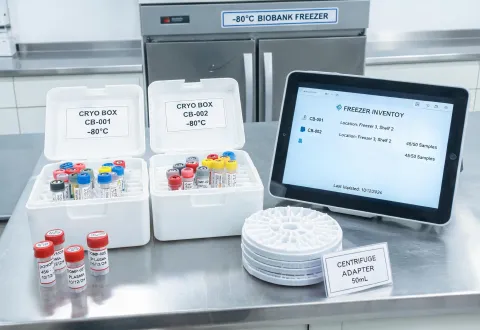
Mixed tube formats, aliquoting accuracy, cold-chain notes, and rotor compatibility must be visible before the first inventory run begins.
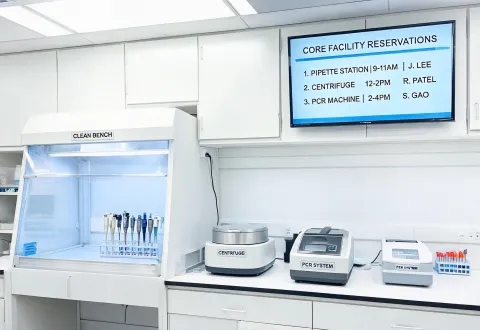
Shared spaces benefit from durable interfaces, visible training rules, calibration tracking, and accessories that survive frequent user turnover.
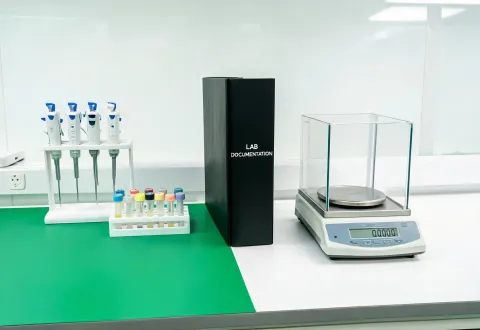
Routine release testing needs repeatable technique, controlled maintenance, and documentation that stands up during supplier and internal audits.
A benchtop centrifuge that performs well in a research room may be poorly matched to a hospital lab that receives several tube types in uneven waves. A pipette package that looks economical can become costly if calibration intervals, multichannel ergonomics, or plate formats are ignored. A CO2 incubator that satisfies capacity on paper may still fail the team if recovery time, cleaning practice, or alarm review is not defined. That is why our application approach starts with the care setting, not a single product name.
For reference labs, we focus on throughput, batch rhythm, sample integrity, barcode behavior, and compatibility with middleware or LIS documentation. For hospital molecular labs, we reduce the number of handoffs and build clearer separation between clean setup and post-amplification zones. For cell culture and IVF rooms, we emphasize contamination control, stable incubation habits, and simple visual cues for routine users. For biobanks, we map tubes, rotors, cold-chain events, and storage rules so the equipment package does not create hidden exceptions. Each setting receives a different recommendation because the workflow risk is different.
This care-setting view also helps procurement. It gives value analysis teams a reason for each accessory, a service plan connected to actual risk, and training materials that can be reused after staff changes. The result is a calmer purchase decision and a bench that feels designed for the people who use it every day.