Energy Efficiency
We help labs compare idle draw, refrigeration behavior, incubator recovery, and timer-based operating habits before adding new equipment.
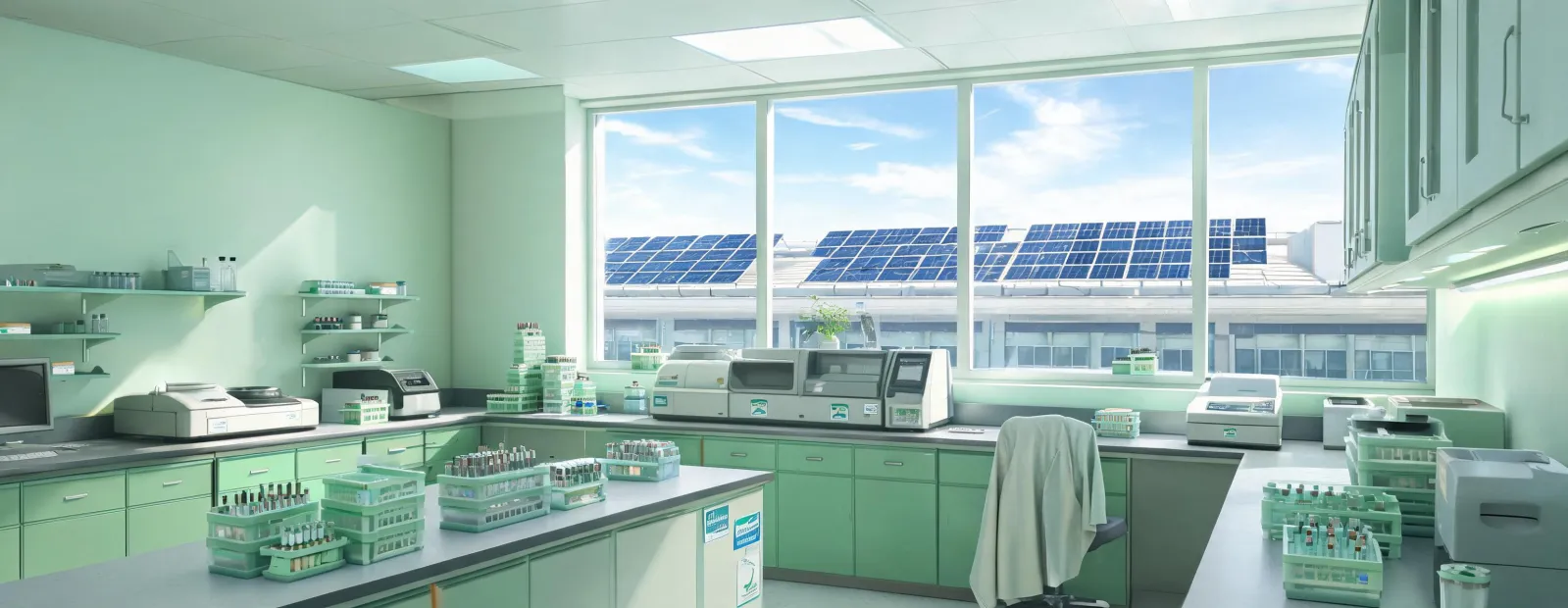
Net-zero thinking across Eppendorf laboratory workflows by reducing idle energy, extending service life, improving take-back pathways, and helping labs avoid unnecessary accessory waste.
We help labs compare idle draw, refrigeration behavior, incubator recovery, and timer-based operating habits before adding new equipment.
Where appropriate, we prioritize durable accessories, calibrated tools, reusable racks, and training that prevents avoidable discard.
End-of-life programs can include decontamination guidance, WEEE-aware disposal, serial tracking, and replacement planning.
Sustainability in a laboratory cannot ignore quality or contamination control. Our advisors review environmental goals beside validation, sample safety, and staff workload so the recommended changes are realistic enough to last.
We organize procurement conversations around recognizable frameworks so facilities, supply chain, and laboratory leadership can review environmental impact without losing sight of quality requirements.
A sustainable laboratory equipment plan rarely starts with a dramatic redesign. It usually begins with questions that are easy to overlook: which centrifuges are left cold overnight, which incubator door-open habits create avoidable recovery cycles, which pipettes can remain in service through proper calibration, which accessories are discarded because the workflow is unclear, and which retired devices can be decontaminated and recycled responsibly. These questions sound modest, but across many benches they shape energy use, replacement frequency, training burden, and waste.
Eppendorf treats sustainability as part of workflow advising. When a lab refreshes PCR, centrifugation, pipetting, or cell culture equipment, we review uptime, service life, calibration, accessory compatibility, and packaging volume at the same time. This helps the sustainability officer see practical gains while the laboratory director remains confident that sample integrity and quality documentation are protected. It also helps procurement defend choices that may have a slightly higher initial cost but lower waste, better serviceability, or longer useful life.
The most durable sustainability gains come from routines that staff can actually follow. Clear labels, simple maintenance intervals, right-sized accessories, documented end-of-life steps, and training refreshers all reduce friction. Our role is to make those details visible before a purchase becomes an installed habit.