A senior lab manager shares costly mistakes from specifying Eppendorf electronic pipettes, including incompatibility with Research Plus sets and hidden costs. Learn what remote patient monitoring has to do with lab equipment and why patient lift specs almost broke our workflow.
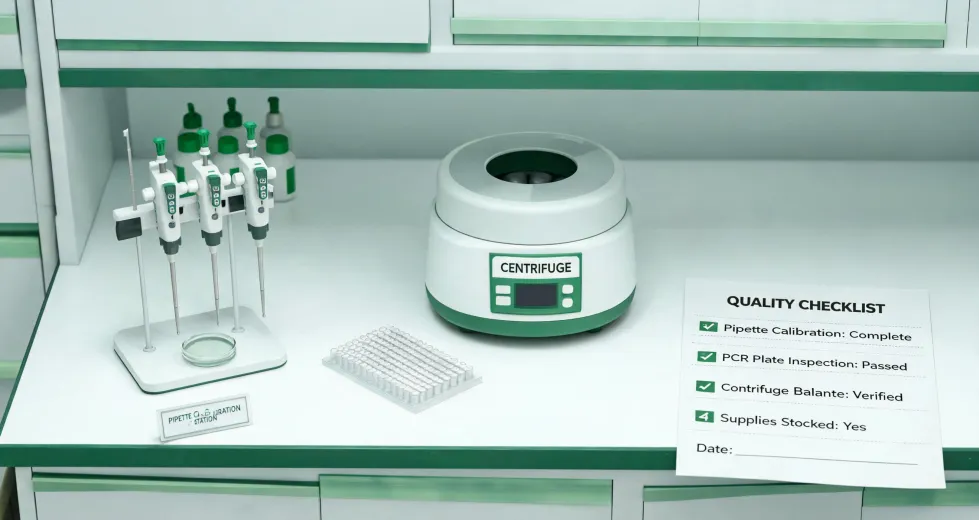
Don't assume a Research Plus pipette set and an electronic pipette from the same brand just work together. They don't. That mistake cost me $1,700 and a three-week delay on a clinical trial prep project back in 2018. If you're specifying Eppendorf electronic pipettes for either a multi-channel workflow or a hybrid manual-electronic setup, the interface differences between the Xplorer and the Research Plus line can completely break your SOP. Let me walk you through the specific spec traps.
Why my first-year screw-up still haunts our lab's procurement
I handle equipment orders for a mid-size clinical research lab doing remote patient monitoring (RPM) logistics. In 2018, we rushed to outfit a new cell-free DNA processing pipeline. The protocol demanded both the Eppendorf Research Plus pipette set (for manual bulk transfer) and an Eppendorf electronic pipette (for high-precision multi-dispensing). I thought 'they're both Eppendorf, they'll share tips and calibration.' I was wrong.
The Xplorer electronic pipette I ordered required proprietary Xplorer Plus tips. The Research Plus set used standard Fit-it tips. I'd ordered 500 boxes of the wrong consumable. $1,700 down the drain—plus the lab manager chewing me out for a delay because the correct tips were backordered.
The lesson: never assume brand-wide compatibility for consumables. Always check the tip-inlet spec for each device. Since then, I've documented the specifications for every Eppendorf electronic and manual pipette we own. That checklist has caught 47 potential errors in 18 months. It's boring, but it works.
The specific spec trap: Volumes and tip interfaces
The Eppendorf Research Plus pipette range (single-channel, 0.5 µL to 1000 µL) uses the old universal LTS (Low Retention System) tip interface. The electronic Xplorer uses a different LTS+ interface that's incompatible with standard LTS tips. Some users think a 0.1–10 µL Research Plus tip fits an Xplorer set at the same range. It physically won't even seat properly.
I've seen this exact error in two other labs during audits. They ordered the wrong tip rack for their Eppendorf electronic pipettes. This is why I now keep a physical compatibility matrix on our lab wall: device name, tip type, volume range, and calibration schedule. The matrix saved our bacon when we added a repeater function pipette for the RPM kit assembly.
What patient lift products taught me about Eppendorf electronic pipette calibration
This might seem like a non-sequitur, but hear me out. My lab also manages some patient lift equipment for mobility-impaired patients. You'd think the calibration specs for a medical lift and a pipette have nothing in common. They do: both require regular, documented verification that their output matches the set value.
When I ordered a new Eppendorf electronic pipette last year, I assumed the in-house calibration service could handle it. Wrong again. The electronic pipettes require a firmware check plus mechanical calibration that our standard service contract didn't cover. The cost was $250 per pipette for the extra calibration step, plus two days of downtime.
Question everyone asks: 'Does the Eppendorf Research Plus pipette set come with a calibration certificate?' Answer: Yes, for the manual ones. The electronic ones? You often have to request the electronic calibration data separately. I didn't. That mistake added $450 and a week to our validation timeline. Now we order the extended calibration package upfront.
RPM data accuracy depends on your liquid handling specs
In remote patient monitoring (RPM), the samples are often unstable—blood RNA, circulating tumor DNA, or volatile metabolites. The tolerance for pipetting error is very low, often below 2% CV. An Eppendorf electronic pipette set to multi-dispense mode can hit that, but only if the calibration is current and the tips match.
The most overlooked spec: the programmability of the electronic pipette. Most buyers focus on volume range and price. The better question is 'can the device store my custom protocols?' The Xplorer can store 9 programs, versus 3 for some competitive models. For our RPM workflow, having pre-set multi-dispense programs for each sample type cut our setup time from 15 minutes to 2 minutes per run. That 87% efficiency gain was huge for our throughput.
To be fair, manual pipettes also have their place. The Research Plus set is more robust for short runs and requires no battery checks. But for high-throughput, repetitive tasks like the RPM kit liquid handling, the electronic pipette was a clear win.
The boundary conditions: When buying Eppendorf electronic pipettes doesn't make sense
I get why some labs stick with only manual pipettes. Budget is the obvious reason. An Eppendorf electronic pipette is 3–4x the price of a single Research Plus. But the hidden cost is the training curve and the tip dependency.
If your lab runs fewer than 20 multi-dispense protocols per day, the ROI on an electronic pipette is negative. The time savings don't offset the upfront cost and the tip premium. We learned this the hard way when we bought two Xplorers for a backup workflow that only gets used twice a month. They're sitting in storage. That was about $800 in idle capital.
The golden rule I now follow: Match the pipette type to the task frequency. High-frequency (>50x/day), multi-step protocols—electronic pipette, with the consumable compatibility verified. Low-frequency or single-volume tasks—manual Research Plus pipette set. And always, always cross-check the tip interface spec before you order.
I'm not 100% sure about all Eppendorf models, but the Xplorer and Research Plus mismatch has been consistent since 2016. Take this with a grain of salt if you're looking at older models, but I'd check the manufacturer's compatibility chart before spending capital.