A procurement manager's honest account of comparing PCR machine prices from Eppendorf and other vendors, revealing why total cost of ownership beats sticker price every time.
That First Quote Didn't Shock Me—It Made Me Suspicious
It was January 2024, and I was sitting in my office with a spreadsheet open to three tabs, a cup of coffee that had gone cold an hour ago, and a vendor quote that looked too good to be true. We needed a new PCR machine for our molecular diagnostics workflow. Nothing exotic—just something reliable, consistent, and within budget.
The first quote was for an Eppendorf Mastercycler. The second was from another reputable name. The third? A brand I hadn't worked with before, offering what looked like 30% less on the sticker price.
I almost clicked 'accept' on that third quote. (Thankfully, I didn't.)
Why Sticker Price Is a Trap (I Learned This the Hard Way)
Over the past six years of managing procurement for a mid-sized biotech lab—about $180,000 in cumulative equipment spending—I've learned one hard truth: the price on the quote is rarely the price you'll pay.
When I compared our Q1 and Q2 spending across two similar pieces of equipment—one from a 'budget' vendor, one from Eppendorf—I finally understood why the details matter so much. The budget vendor's machine was cheaper upfront. But when I calculated the total cost of ownership, including service calls, calibration fees, and consumables that only worked with their proprietary system, the gap almost disappeared.
What I mean is that the 'cheapest' option isn't just about the sticker price—it's about the total cost including your time spent managing issues, the risk of delays, and the potential need for redos. And let me tell you, that 'free setup' offer? Actually cost us $450 more in hidden fees when I dug into the fine print.
Getting the Eppendorf PCR Machine Price: More Than Just a Number
When I requested the Eppendorf PCR machine price for a Mastercycler X50, I expected it to be higher. It was. But here's what I didn't expect: the quote included a detailed breakdown of everything—calibration schedule, service manual access, replacement part pricing, and compatibility with our existing tubes and plates.
That transparency was a game-changer. The vendor who lists all fees upfront—even if the total looks higher—usually costs less in the end. I've learned to ask 'what's NOT included' before 'what's the price.'
Why does this matter? Because hidden costs add up fast. The 'budget' PCR machine required proprietary consumables that cost 40% more than standard Eppendorf tubes. Over three years, that difference alone wiped out any upfront savings.
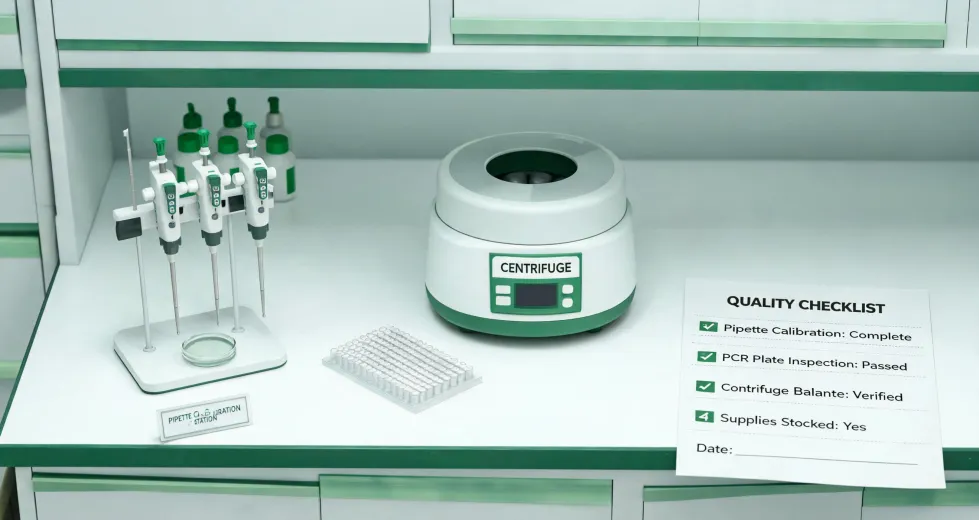
(mental note: I really should formalize this into a checklist for future purchases.)
Eppendorf Centrifuge 5810 Manual: A Case Study in Total Cost of Ownership
A few years back, we bought a used Eppendorf Centrifuge 5810 R from a vendor that didn't include the service manual. I assumed we could just download it. Didn't verify. Turned out the official manual required a license for the advanced rotor configurations we were using.
Learning never to assume after that incident. We ended up paying $200 for a replacement manual and another $150 for a calibration that should have been included.
The Eppendorf centrifuge 5810 manual is now something I check for before even looking at pricing. Because a machine without proper documentation isn't worth half the quoted price.
I shared this story at a lab managers' meeting (note to self: stop assuming people find this stuff interesting). The response was overwhelming—turns out half the room had similar stories.
Surgical Robots and Surgical Lights: When B2B Equipment Procurement Crosses Over
Interestingly, some of the same principles apply to surgical robots and surgical lights. A colleague in hospital procurement was comparing quotes for a surgical light system. The cheapest option? Nearly $5,000 less upfront. But the bulbs had a 6-month life vs. 18 months for the standard model. Over five years, the total cost was actually 22% higher.
I'm not saying the Eppendorf PCR machine is the perfect fit for every lab. But I am saying that when you compare total cost of ownership, the picture changes dramatically.
The question isn't 'which is cheaper?' It's 'which will cost less over time?'
What Is Molecular Diagnostics? (And Why Equipment Choice Matters)
For those new to the field: what is molecular diagnostics? In simple terms, it's analyzing DNA, RNA, and proteins at the molecular level to detect diseases, genetic markers, and pathogens. PCR machines are the workhorses of this field—they amplify tiny amounts of genetic material so it can be detected and analyzed.
Given the stakes—diagnostic accuracy, patient outcomes—choosing the right equipment isn't just about budget. It's about reliability, reproducibility, and trust in the results.
We went with the Eppendorf Mastercycler. Was it the cheapest? No. Did it cost less in the long run? Absolutely. The calibration schedule was straightforward, the consumables were standard, and the service manual was included (thankfully).
This pricing was accurate as of January 2024. The market changes fast, so verify current Eppendorf PCR machine prices and total cost projections before finalizing your budget.