An administrative buyer's practical FAQ guide to selecting medical imaging equipment, covering key considerations from budget planning to vendor evaluation, based on real purchasing experience.
I‘ve been managing equipment purchasing for our healthcare facility since 2021. While I don't diagnose images, I do handle the ordering for our radiology and surgical departments — roughly $400k annually across imaging, lab, and surgical equipment. When we started planning our equipment upgrade for 2025, I had to figure out how to choose medical imaging equipment that balances clinical needs with our budget. Here are the questions I wish I’d had answered from the start.
What exactly is medical imaging equipment?
Medical imaging equipment creates visual representations of the interior of a body for clinical analysis and medical intervention. The main types include:
- X-ray systems (digital radiography, computed radiography)
- MRI (Magnetic Resonance Imaging) scanners
- CT (Computed Tomography) scanners
- Ultrasound machines
- Nuclear medicine imaging (PET, SPECT)
Each has different use cases, costs, and requirements. Knowing which one(s) you need is the first step.
How much does medical imaging equipment cost?
Here‘s a ballpark, based on negotiations I’ve been through and quotes we‘ve received as of early 2025:
- Digital X-ray systems: $50,000 - $200,000
- Ultrasound machines: $20,000 - $200,000+
- CT scanners: $200,000 - $1,500,000+
- MRI scanners: $800,000 - $3,500,000+
- PET/CT scanners: $1,000,000 - $3,000,000+
But honestly, the purchase price is often just the beginning. I learned that the hard way.
What are the hidden costs beyond the purchase price?
Oh, this is where I made mistakes. When we got our first CT scanner in 2022, I was so focused on the sticker price I forgot to factor in:
- Site preparation: $20,000 - $100,000 (shielding, power upgrades, floor reinforcement)
- Installation: $15,000 - $50,000
- Annual service contracts: 8-15% of purchase price per year
- Software upgrades: Can be $10,000 - $50,000 per year
- Training: $2,000 - $10,000 for initial training plus refreshers
- Consumables: Contrast agents, films, print media — adds up fast
When I compared our Q3 budget projections against actuals last year, the hidden costs were way higher than I expected. The service contract alone was almost 12% of the purchase price annually.
New vs. refurbished: which is better?
This is a big debate. We‘ve done both. For our main MRI scanner, we went new (financed over 5 years). For a second ultrasound, we bought refurbished from a certified supplier. Here’s my take:
New equipment:
- Full warranty, latest features, no uncertainty about prior maintenance
- Higher upfront cost
- Longer lead time (especially as of 2025 with supply chain issues)
Refurbished equipment:
- Costs 30-70% less than new
- Shorter delivery time
- Risk: you're trusting the refurbisher’s quality and warranty
Looking back, I should have done more due diligence on the refurbished supplier’s track record. At the time, their price was so good I jumped. If I could redo that decision, I'd ask for references from three recent customers.
How do I evaluate vendors?
Here’s the framework I now use for every vendor:
- Service and support: What’s their response time? Do they have local techs? Our vendor who couldn't service our machine within 48 hours cost us an entire weekend of clinic cancellations.
- Parts availability: How quickly can they get parts?
- Training provided: Is it for 2 people or 10? Remote or on-site?
- Warranty terms: What‘s covered, what's excluded, and for how long?
- References: Call 3-5 current customers. Ask about uptime and support responsiveness.
What about FDA clearance and regulatory stuff?
This is non-negotiable. Any medical imaging equipment must have FDA 510(k) clearance or PMA approval for sale in the U.S. As per FDA guidelines (effective March 2024 update), you should also check for:
- Radiation safety standards for X-ray and CT equipment
- MRI safety requirements (magnetic field, quench pipe, etc.)HIPAA compliance for any connected software
I had a vendor who couldn't provide proper FDA documentation — that was a hard pass. Finance rejected the requisition immediately. I still kick myself for almost proceeding without verifying that.
Should I buy from companies like Eppendorf or are they only for lab stuff?
Good question. Eppendorf is primarily a lab equipment company — pipettes, centrifuges, incubators, and lab consumables. For medical imaging equipment (X-ray, MRI, CT, ultrasound), you'll need to look at manufacturers like Siemens Healthineers, GE Healthcare, Philips, Canon Medical, or Fujifilm.
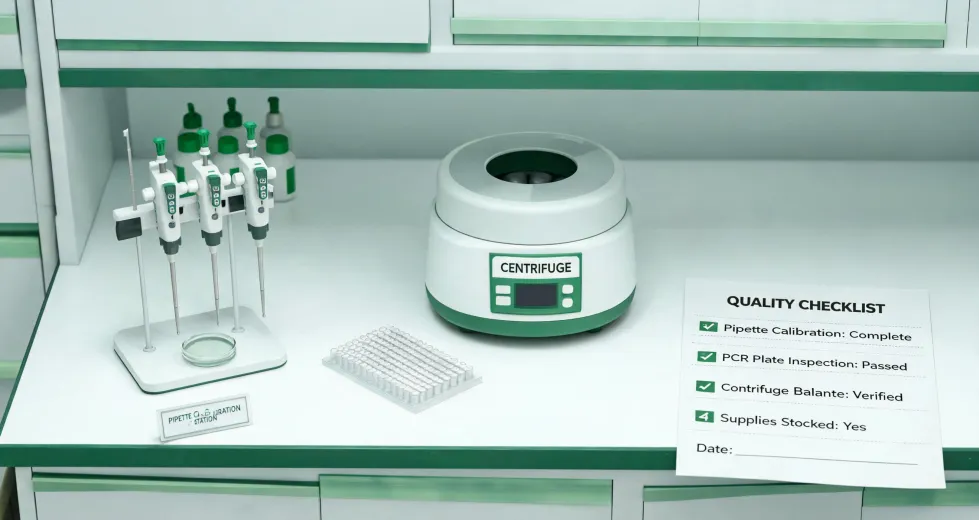
That said, in our facility, the line between lab and clinical sometimes blurs. For example, we use Eppendorf centrifuges in our histology lab (for tissue processing) and PCR machines for molecular diagnostics. But for the actual imaging — no, I wouldn't source those from Eppendorf.
What's the best way to decide between different options?
When we were choosing between a 64-slice and 128-slice CT scanner, I made a simple comparison table based on:
- Clinical need (our volume, types of exams)
- Total cost of ownership (not just purchase price)
- Vendor reputation in service
- Upgradability path
But honestly, the decision came down to a conversation with our lead radiologist. She said, “Look, the 64-slice is fine for 90% of our cases. For the other 10%, we can refer to the university hospital.” That sold me. I’m not saying budget options are always bad — I‘m saying they're more justifiable if the clinical compromise is acceptable.
The best part of finally getting the right equipment installed: seeing the first patient flow through without a hitch. That’s the payoff after all the vendor calls and budget meetings.
Still have questions? Leave a comment or contact our purchasing team. I'm happy to share what I‘ve learned.